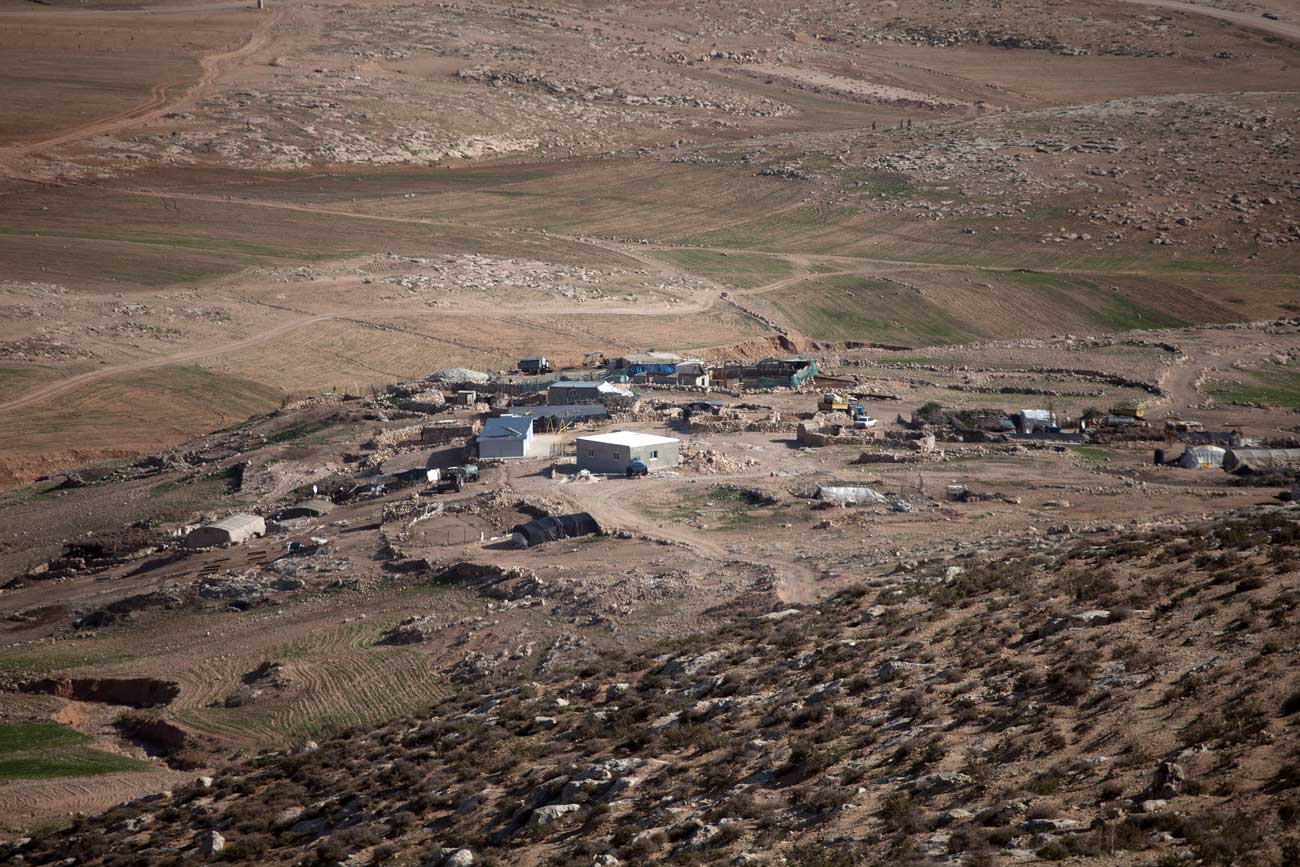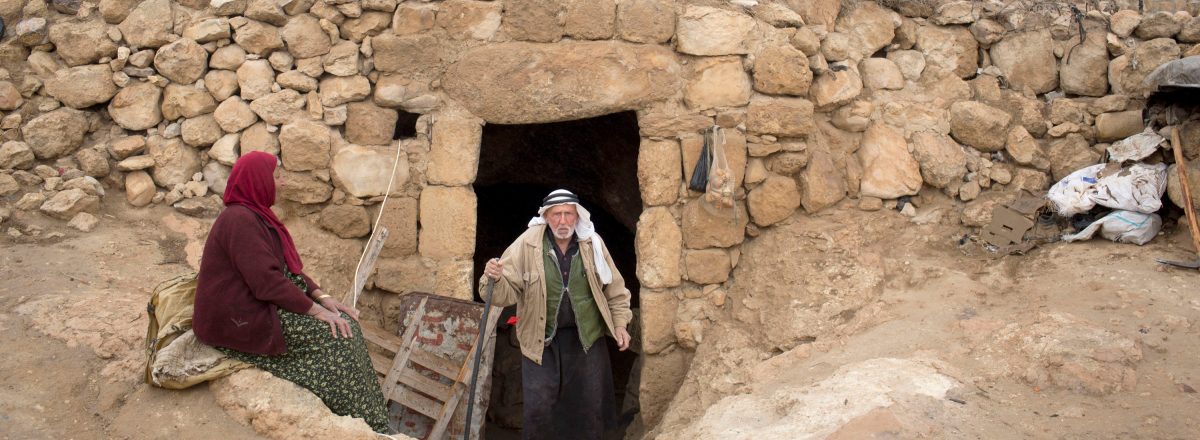
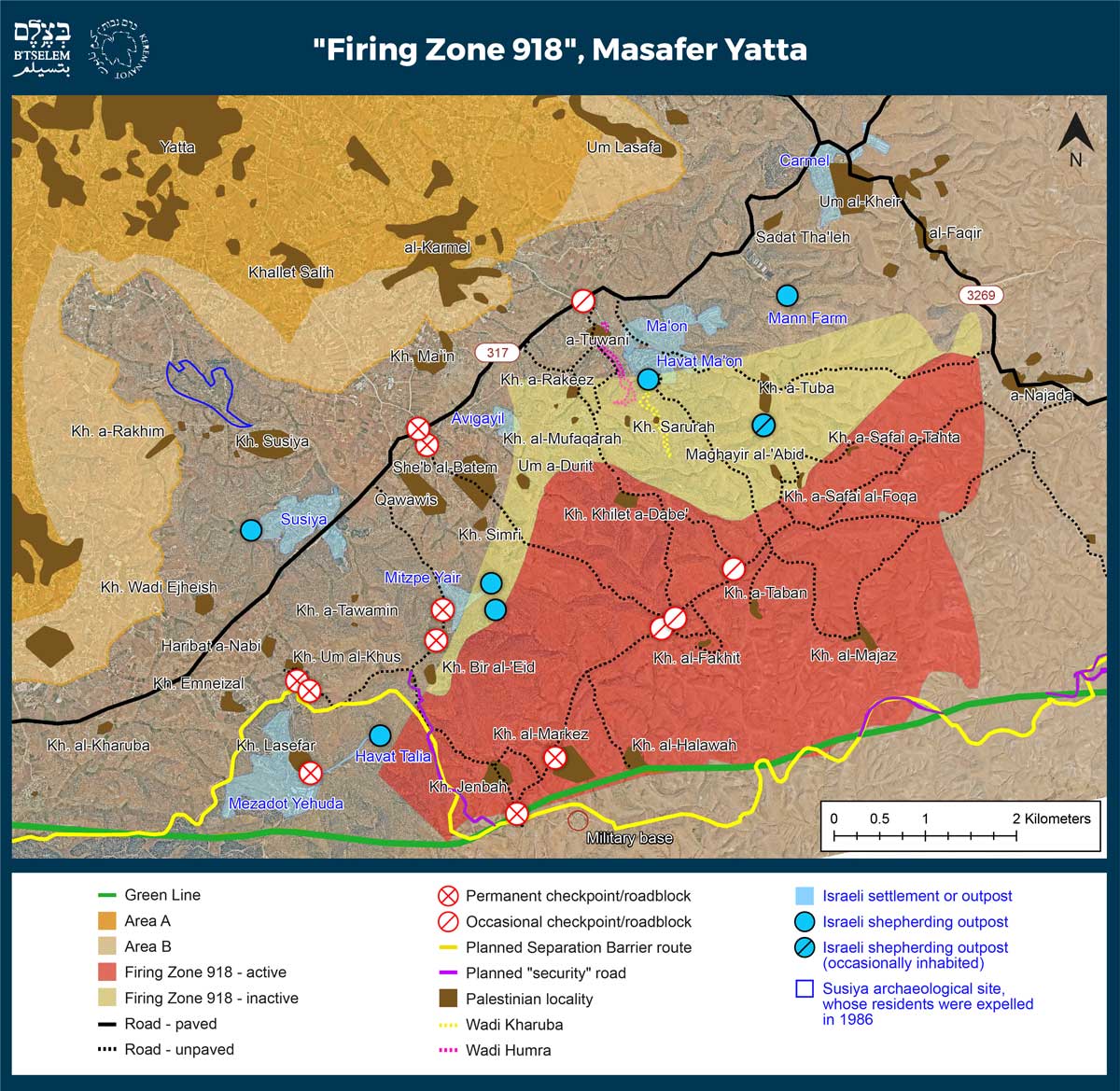
In the early 1980s, the Israeli military declared an area of about 30,000 dunams [3,000 hectares] in the South Hebron Hills known as Masafer Yatta a restricted military zone, and dubbed it 'Firing Zone 918'. At the time, dozens of Palestinian families had been living in the area for years, since before Israel occupied the West Bank in 1967. They lived in 12 small villages, in natural or man-made caves, some all year round and others only seasonally, and made a living as farmers and shepherds.
After their home was declared a closed military zone, the families continued to lead their lives mostly undisturbed. Although the military reached various arrangements with them that ostensibly limited their access to the land, these arrangements were barely implemented. The residents continued to work their land and graze their flocks without any major interference.

However, in October and November 1999, the military expelled all 700 or so residents of these communities on the official grounds that they were “illegally living in a firing zone”. This flimsy argument blatantly ignored the fact that the families had been living in the area for many years, with the full knowledge of Israeli authorities.
Following the expulsion, the Association for Civil Rights in Israel (ACRI) and Attorney Shlomo Lecker filed petitions to the High Court of Justice (HCJ) on behalf of 200 families from Masafer Yatta. In March 2000, the HCJ issued an interim injunction permitting the villagers to return to their homes and cultivate their land pending a ruling in the case. The court encouraged the parties to hold an arbitration process, which was led by the former head of the Civil Administration, Brigadier General (res.) Dov Zadka. During the arbitration, Israel offered to move the villagers to a different, far smaller area south of the town of Yatta. The villagers rejected the offer and the process ended in early 2005.
The villagers’ petitions remained open for years and it was only on 19 July 2012, after repeatedly requesting deferrals, that Israel submitted its updated position to the HCJ. In its statement, the state announced its intention to demolish eight of the 12 communities inside the firing zone, which were home to more than 1,000 people at the time (Khirbet al-Fakhit, hirbet al-Halawah, Khirbet al-Majaz, Khirbet al-Markez, Khirbet a-Safai al-Foqa, Khirbet a-Safai a-Tahta, Khirbet a-Taban, Khirbet Jenbah, Khirbet Khilet a-Dabe'). The state declared that it would allow the residents to continue working their land inside the firing zone on weekends, on Jewish holidays and in two non-consecutive months a year. In view of that statement, the HCJ dismissed the petitions, yet allowed the families to file new petitions to address the state's position.
In January 2013, ACRI and Att. Lecker filed new petitions on behalf of the residents. Again, the HCJ issued an interim injunction forbidding the state to expel the residents. In the last hearing in these petitions, on 10 August 2020, the state repeated the claim it had made over the years, that the petitioners had not been permanent residents of the area when it was declared a “firing zone”, and therefore had no right to continue living in their homes. It further argued that the communities were taking advantage of the interim injunction: people not included in the injunction were moving into the area and residents were building without permits. The state again proposed a “compromise” that would allow residents to live in their homes for two months a year with prior coordination, or on weekends and Jewish holidays when the military does not train in the area. The petitioners rejected the proposal.
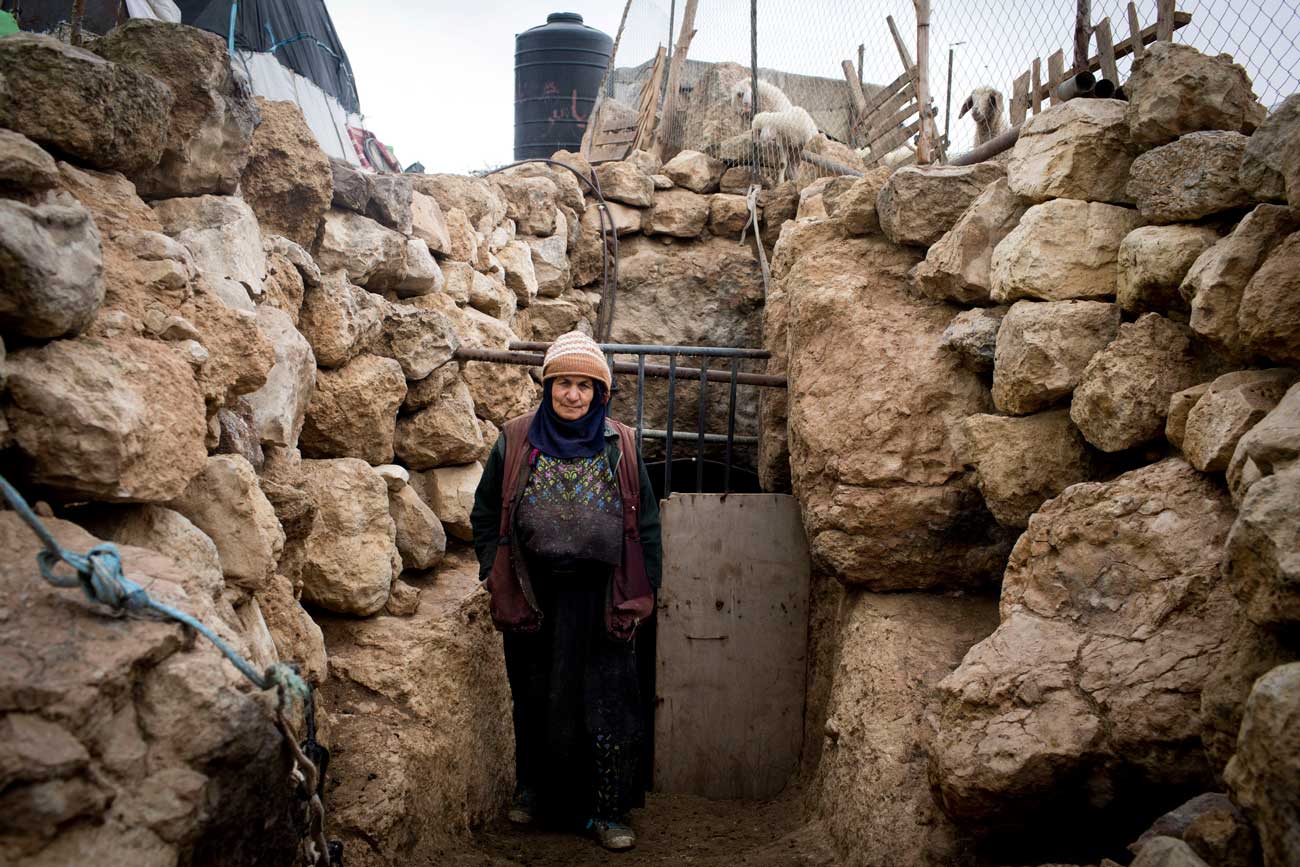
While the interim injunction, which remained in place over the years, prohibited Israel from expelling the residents, the lengthy proceedings effectively put their lives on hold for more than 20 years. They continued to dwell in their homes and work their land, while living under constant threat of demolition, expulsion and dispossession. At the same time, Israel denied them any possibility of construction or development. Faced with no other choice, residents built homes without permits, as well as infrastructure to serve their daily needs, such as power and water systems.
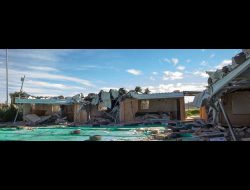
The Civil Administration responded by issuing demolition orders and in some cases, demolished the structures and confiscated the infrastructure. Since 2006, B'Tselem has documented the demolition of 66 residential structures in these communities, which were home to 553 people, 175 of them minors. It has also documented the demolition of 32 non-residential structures in these communities since early 2012.
In early May 2022, the HCJ rejected the petitions, after accepting each and every one of the state’s arguments. Cherry-picking facts and relying on an absurd legal interpretation, the court made it clear there was no crime it would not find a way to sanction. The justices held that the petitions must be rejected outright, as they were filed many years after the firing zone was declared and as the petitioners came to court “with absolutely unclean hands”, having built structures without permits over the years. The justices also held that regarding the matter itself, the petition should be rejected as, in their opinion, the military commander has the power to declare closed military zones in the occupied territory that supersedes the provisions of international law. Finally, the justices held that the petitioners were not “permanent residents” of the area before it was declared a firing zone and rejected the petition. In doing so, they allowed the state to immediately expel the residents and destroy their communities.
The State of Israel cites formal arguments such as “living in a firing zone” and “violating planning and building laws” to justify its policy in Masafer Yatta. These are false claims, meant to conceal Israel’s aspirations to take over the land for its own purposes and use it to benefit the Jewish population only.