A 43-year-old father of five from a-Sheikh Radwan neighborhood in Gaza City, Muhammad described losing two of his children after their bombed home collapsed from heavy rain on 12 December 2025:
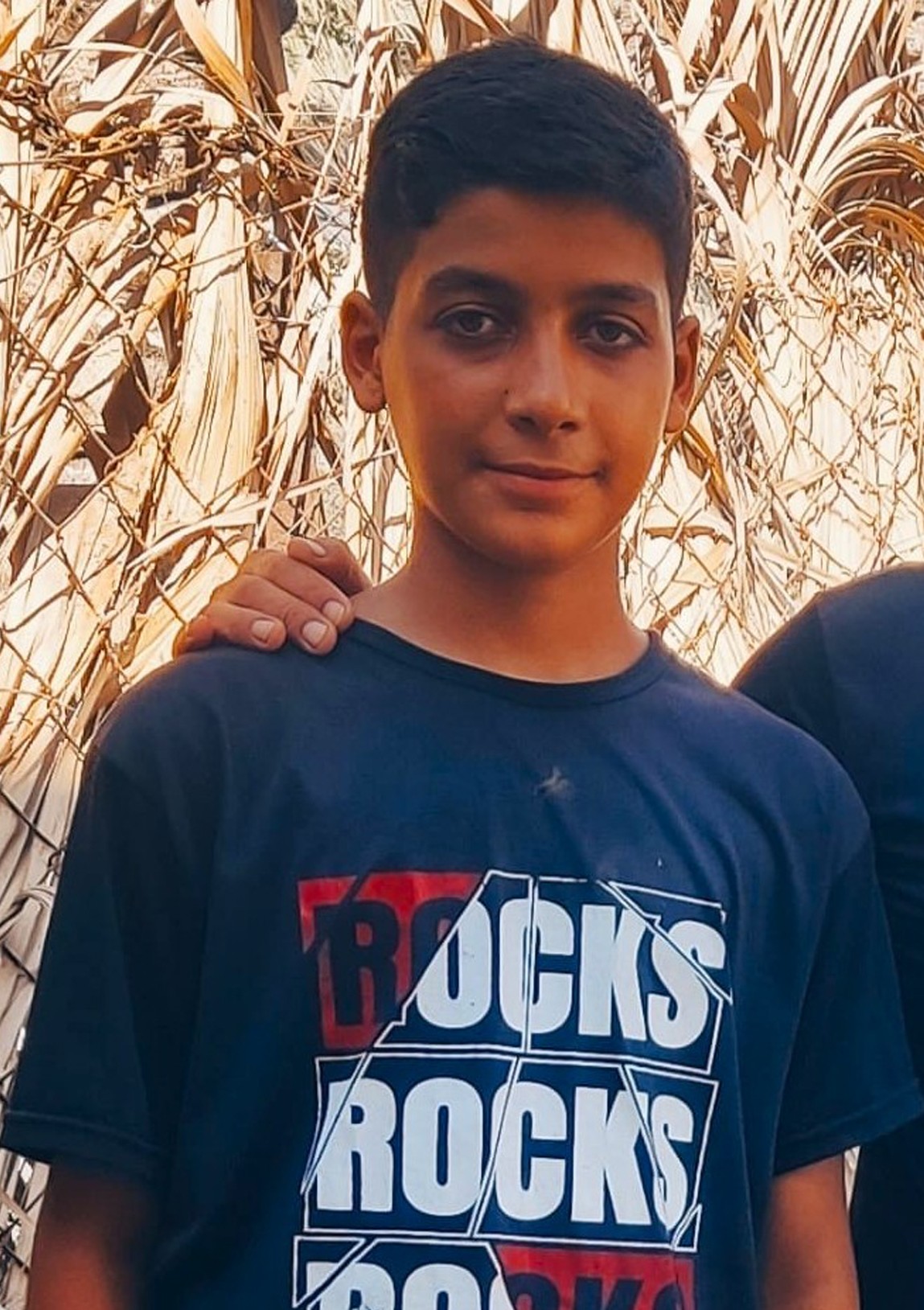
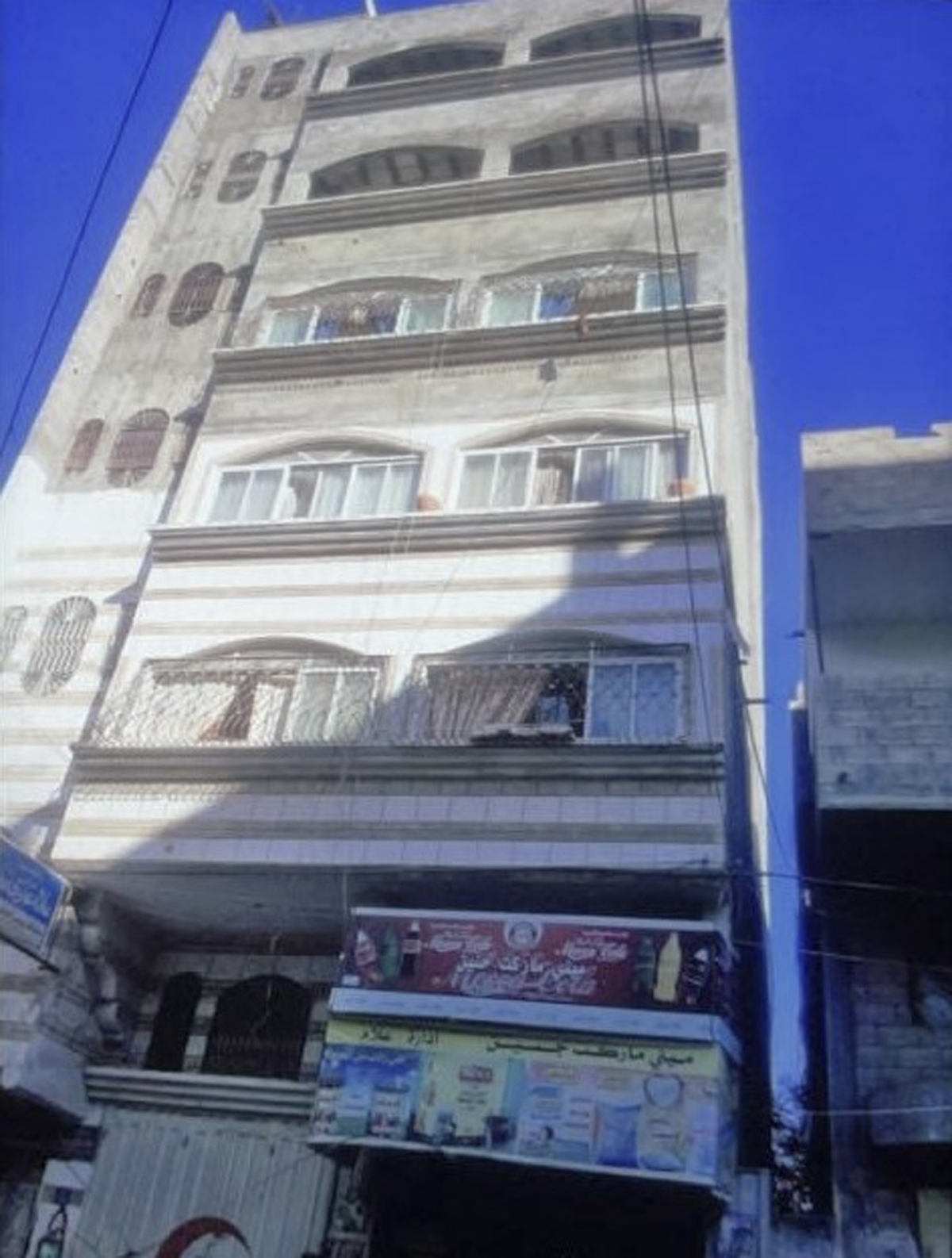
My wife Iman, 34, and I had five children: Lina, 18, Ghazi, 15, Layan, 12, and ‘Alaa, 7. Before the war, we lived in a-Sheikh Radwan neighborhood in Gaza City, in a six-story building belonging to me and my brothers.
When the war started, because of all the bombing and destruction, I had to go with my wife and kids to the city of Rafah. We walked there and lived in a tent. It was very hard. There were a lot of displaced people and we were surrounded by suffering, oppression and pain.
We stayed in Rafah until May 2024, when the Israeli army invaded the city and the residents themselves left. Then we went to the central Gaza Strip, where we also lived in a tent, in unbearable, inhuman conditions, especially in winter.
When the ceasefire was declared in January 2025, we went back to our home in a-Sheikh Radwan. I was shocked when I discovered the top floors had been bombed and collapsed onto the neighbors’ houses. The house was not fit to live in.

My wife, kids and I stayed anyway, without my brothers. I fixed up the storage floor, which was in better condition than the apartments. I put tarpaulins and plastic over the openings, and we lived there until the fighting started again in March 2025. The renewed war was even more brutal and terrifying than before. They bombed everywhere, and took mercy on no one.
That’s when the extreme starvation started. It was very hard, especially on the children. It was the hardest thing I’ve every been through, because I saw my children hungry and couldn’t provide even a little food for them. At the same time, we lived in constant fear because of the heavy bombardments near us.
This time, the military didn’t let us be. They kept sending messages and distributing leaflets ordering us to move to the southern Gaza Strip. In September 2025, after great difficulty, I managed to take my family to the town of a-Zawayda in central Gaza. I put up a tent on the beach and we stayed in it. It was very cold, and whenever it rained, the tent flooded.
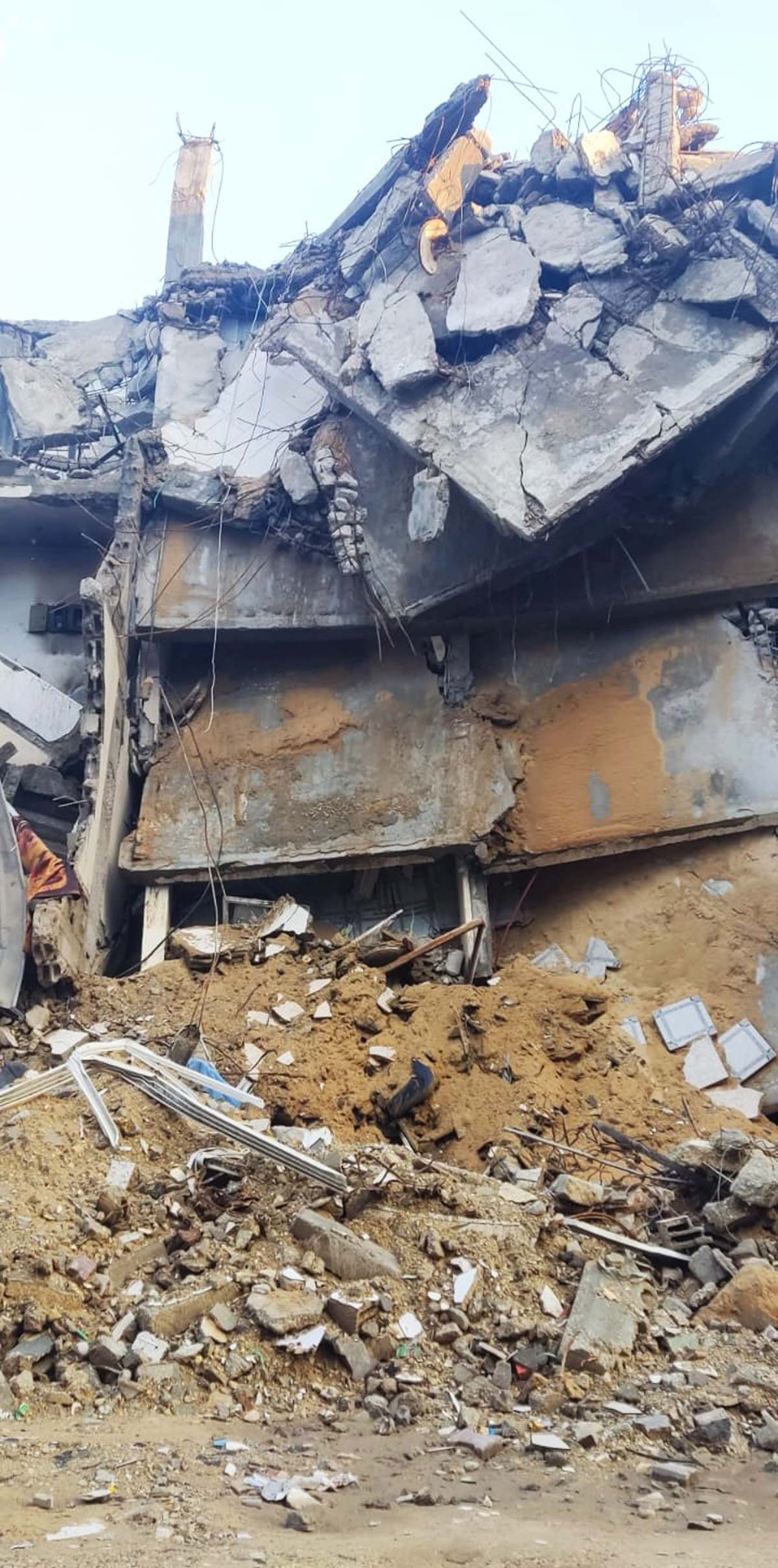
About a month later, after the ceasefire was declared, we returned again to our destroyed home in a-Sheikh Radwan. We found it in worse condition than before. I repaired the storage rooms again, spread out tarpaulins and plastic sheets, and we moved back in. Living in the storage rooms there was still better than living in a tent, especially for my wife and daughters, who suffered a lot from the lack of privacy in the tent.
After two years of war, we were living in extremely poor conditions. We didn’t have winter clothes or enough blankets. My wife and I did our best to meet our children’s basic needs, but it wasn’t enough. Also, the ceilings of the storage rooms were damaged, and there was a risk of flooding if it rained. But we had nowhere else to go.
On 11 December 2025, there was a severe storm with heavy rain and strong winds. I did everything I could to prevent rainwater from entering the storage rooms, and we got through the day safely. It rained all night and into the morning of 12 December. We woke up safe and sound, thank God.
At around 11:00 A.M., I lit a fire outside to prepare food. Lina and Ghazi sat down by the fire. My wife and the other kids were inside. I went to the market on al-Jalaa Street to buy supplies.
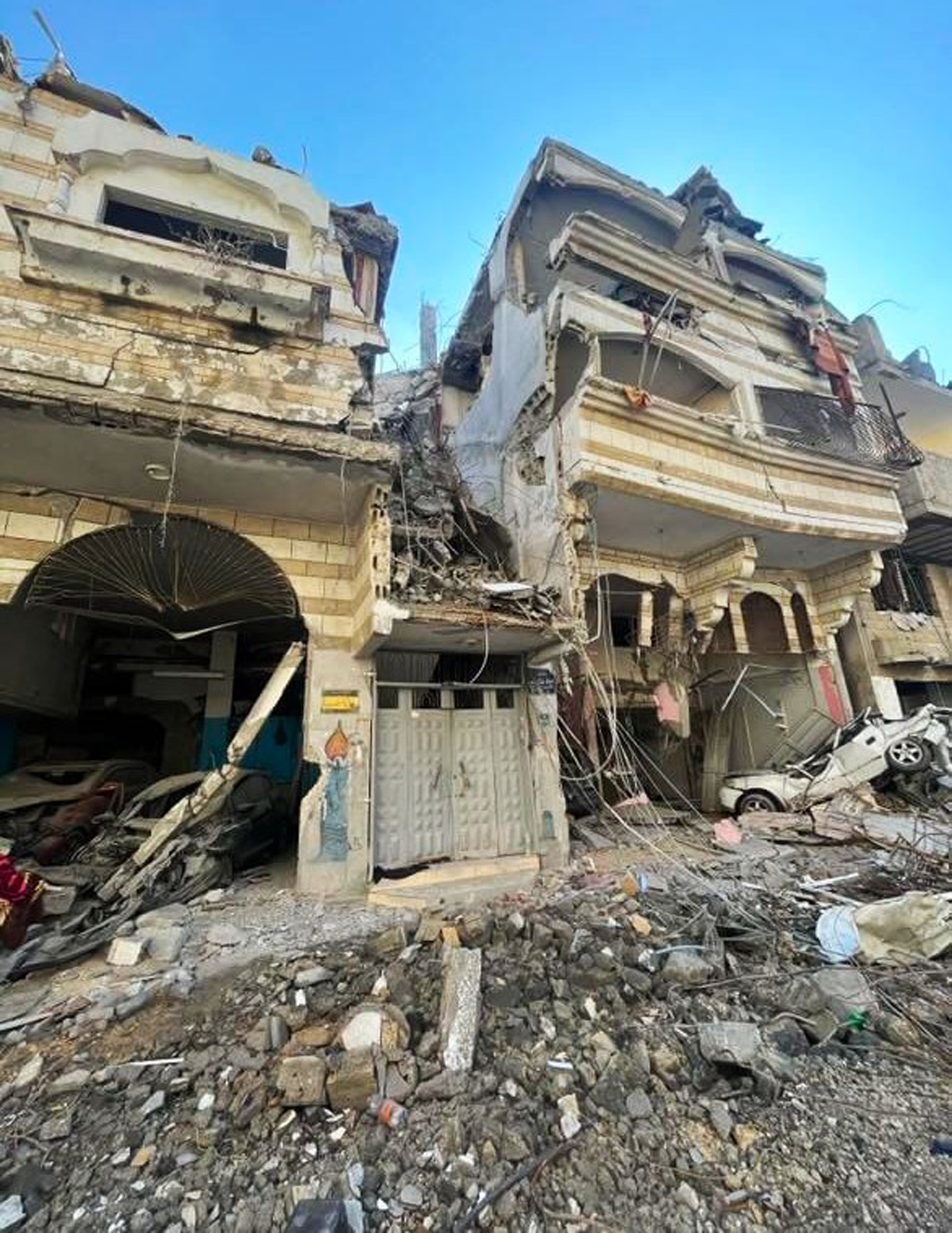
While I was at the market, I heard people saying that a building in a-Sheikh Radwan had collapsed on its inhabitants. My heart sank, because I immediately felt it was our home. I went home and saw the roof had collapsed. Lina and Ghazi were trapped under the rubble. My wife and the other kids had escaped through another entrance. They were screaming and crying.
Neighbors called the Civil Defense and in the meantime, we tried to remove the rubble ourselves to get to my kids. People said they had heard Lina screaming from underneath and tried to get them out but couldn’t. About 15 minutes later, a Civil Defense team arrived. It took them about an hour and a half to reach my children and get them out. By then, Lina and Ghazi were dead. They had been trapped and apparently suffocated. When they were pulled out and I saw they were dead, I went into shock. My wife and children were screaming and crying, and especially my daughter Lana.
Later, ambulances arrived and took Lina and Ghazi to a-Shifaa Hospital. I went with them, and my wife and other kids stayed out on the street. I knew they were dead, but still the doctors examined them and officially pronounced their deaths.
At the hospital, my children were wrapped in shrouds. I brought them back so the family could say goodbye. The farewell ceremony was very painful. My wife was in a terrible state and Lana was in shock. She couldn’t even say goodbye and didn’t even cry. She just sat there in silence. She saw the roof collapse on her sister and brother and hasn’t recovered since.
We are now staying with neighbors, since we no longer have a home. We’re all doing very badly and finding it hard to cope. Lana says, “It hurts, Dad. I can’t forget how the roof fell on Lina and Ghazi in front of my eyes.” I try to help her and the other kids, who are also shocked and can’t believe this happened to their siblings, and my wife, who is in deep mourning and full of grief.
In addition to the terrible loss of our two children, we lost the few belongings we had. Everything was in the room that collapsed. We have no home and nothing left, not even a change of clothes. I feel completely helpless and don’t know what to do.
May God have mercy on them and give us the strength to bear this loss.
* Testimony given to B’Tselem field researcher Olfat al-Kurd on 17 December 2015