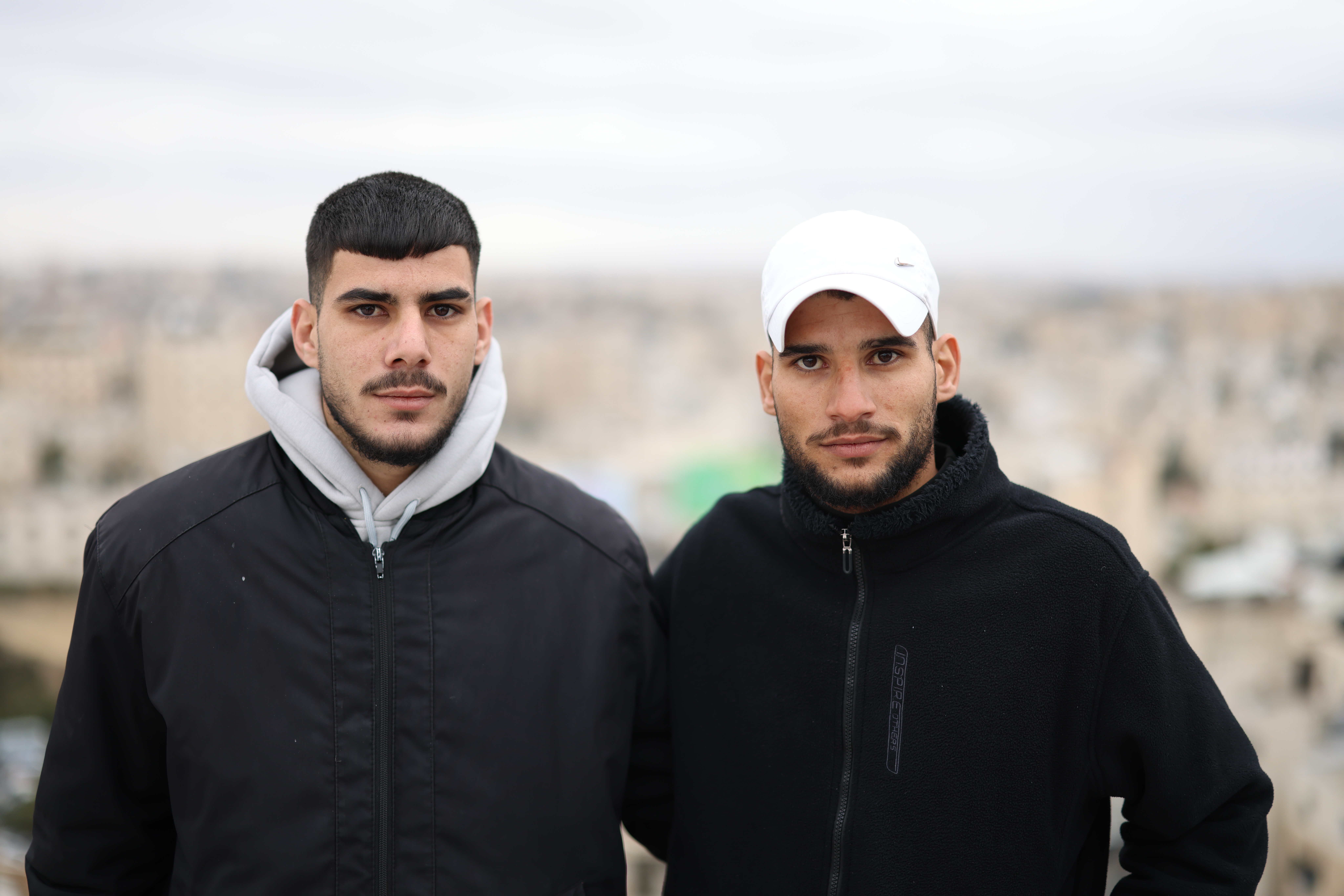
Amir 'Aref Jaber, 20, from the Jaber neighborhood in central Hebron, attacked by soldiers on 21 June 2024
I live with my parents, my brothers Muhammad, 21, and Baraa, 22, and my sister Farah, 13. I work in home decoration and plasterwork.
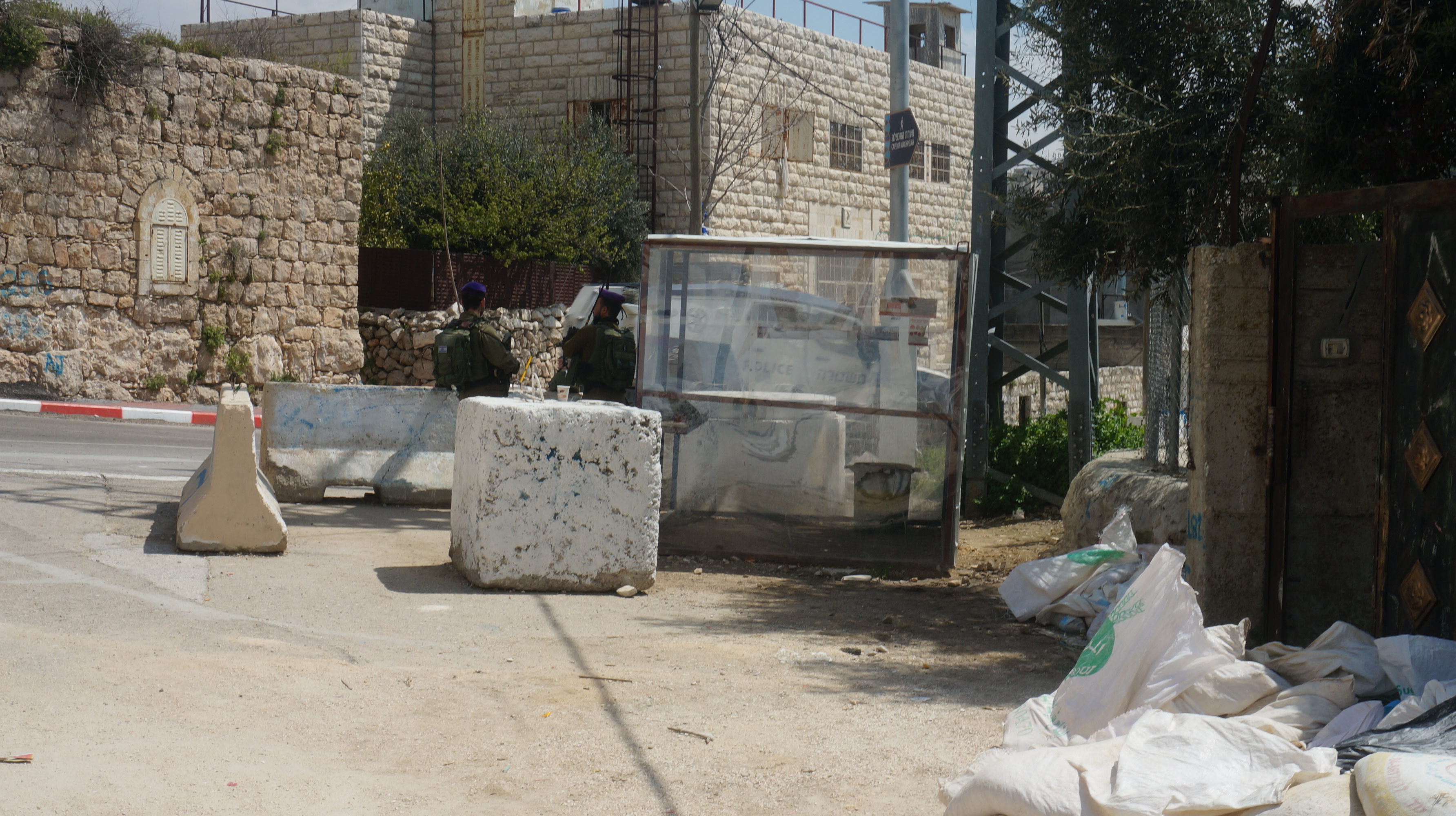
On Friday, 21 June 2024, at around 8:30 P.M., my brother Anas, 27, and I met up with some friends of ours at the home of one of them, Mansur Jaber. Mansur’s house is about 200 meters away from the Jaber checkpoint.
In the room, they started beating me, punching me and kicking me all over my body. Then they made me sit on the floor, poured water on me and turned the AC on at a really low temperature
While we were drinking coffee and smoking a shisha, four soldiers suddenly came into the yard. Without saying anything, one of them grabbed my shoulder and pressed it down to keep me seated. The other soldiers attacked Anas and the other guys. They hit them with their guns and forced them to kneel.
Two soldiers lifted me to my feet, took me to a room in the house and brutally searched me. While that was going on, I heard my brother and his friends screaming, probably because of the soldiers were beating them.
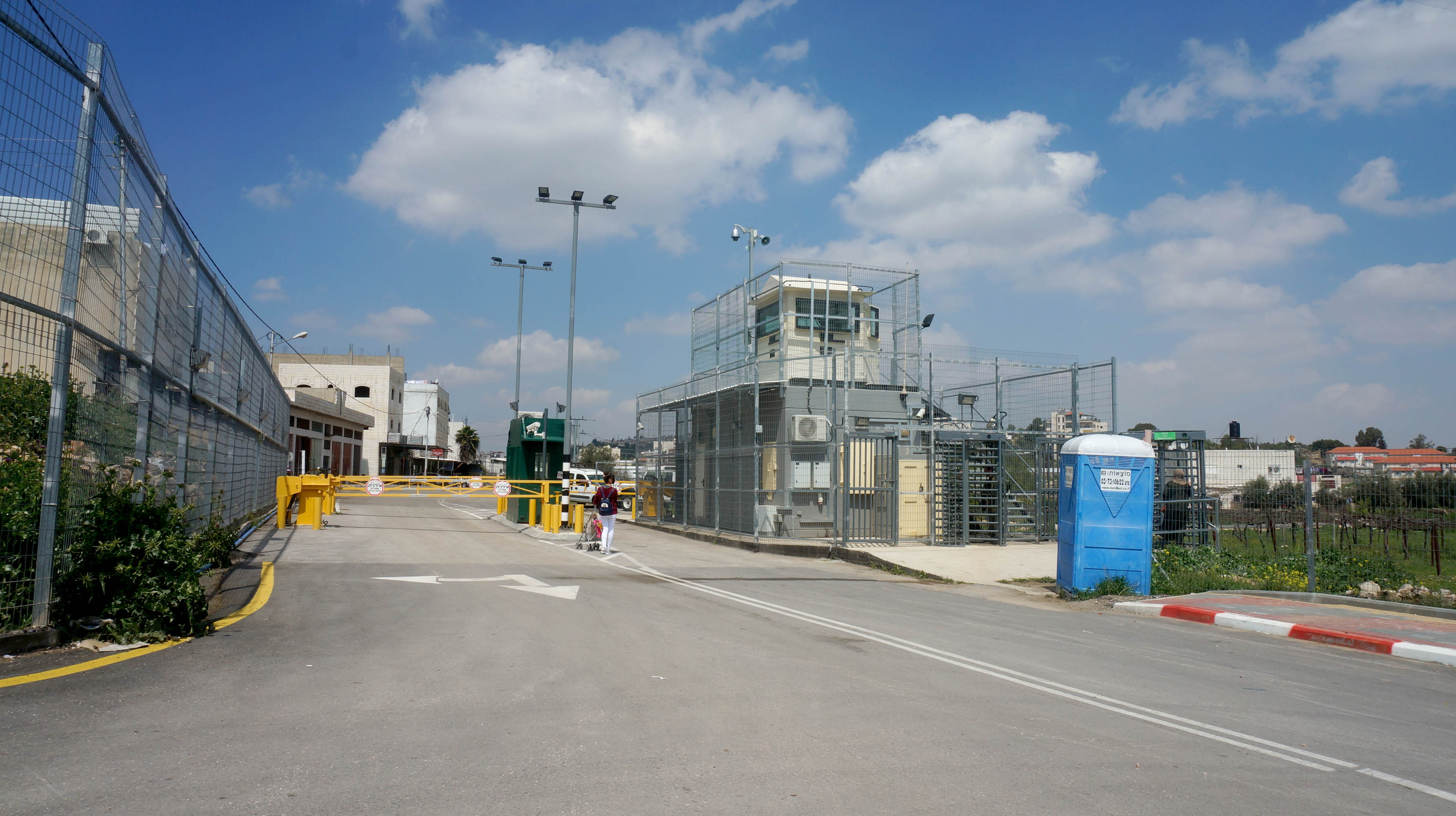
After the search, the soldiers led me to the Jaber checkpoint, where they told me to kneel. The other two soldiers, who’d attacked Anas and the other guys, arrived a few minutes later, and then all four soldiers started kicking me and swearing at me. They blindfolded me, tied my hands behind my back and put me in a jeep, forcing me to kneel inside it. I think two soldiers got in the jeep, because I heard them swearing at me. They slapped me and accused me of throwing stones at soldiers. I denied it, and they yelled at me that I was lying and kept beating me.
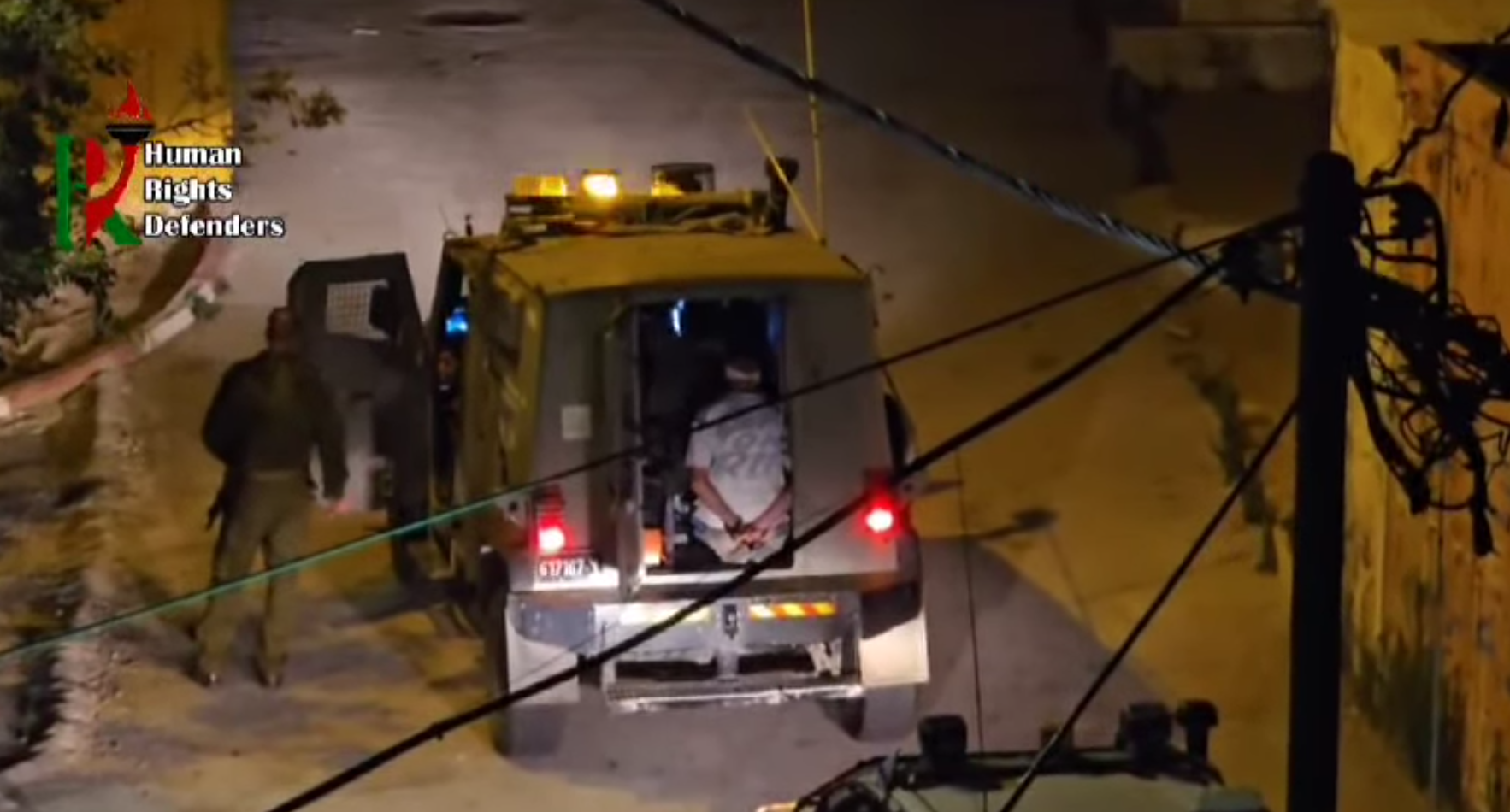
The jeep drove on for about half an hour, and then I saw from under the blindfold that we were in a military camp. I assumed it was in the Wadi al-Ghrus area. One of the soldiers took my blindfold off and ordered me to get out of the jeep. When I got out, I saw dozens of soldiers. The soldiers led me into a room and blindfolded me again. In the room, they started beating me, punching me and kicking me all over my body. Then they made me sit on the floor, poured water on me and turned the AC on at a really low temperature. I was very cold. At some point, I was so cold that I yelled at the soldiers I couldn’t take it anymore. In response, they attacked me again and hit me, this time with clubs. One of the soldiers said “Mikasa” (a soccer ball brand), and then hit me on the head with something that felt like a ball. I heard a female soldier cursing me. She pulled the back of my shirt, and then I felt cold water trickling down my back.
I was so cold that I yelled at the soldiers I couldn’t take it anymore. In response, they attacked me again and hit me, this time with clubs
The soldiers forced me to curse my mother and say, “I’m a son of a whore.” Every time I refused, they hit me, until I obeyed their orders just so they’d stop. I felt that they were filming me while attacking me.
It went on like that until I heard the 4:00 A.M. call for prayers. I was hungry and thirsty, and I asked for water. One of the soldiers pressed a bottle against my lips and then pulled it away, slapped me and swore at me. He brought a cookie and held it to my lips, too, and then pulled it away, laughing. He mocked me loudly, slapped me and swore at me.
One of the soldiers lifted me up to my feet and told me in Arabic: “We’re taking you to Tulkarm.” They put me in a military jeep that drove me to Etzion. When we got to the Etzion prison gate, I heard the soldiers arguing with the prison staff, who must have refused to admit me. After about five minutes, the jeep drove on and then stopped, and the soldiers took me out of it. One of them cut the knot tying the zip ties together, but left them on my wrists. He also left the blindfold on. Then I heard the jeep drive away. I took off the blindfold. I didn’t know where I was.
I walked along the road. When I saw a car with a Palestinian license plate, I signaled for the driver to stop. He did, and I told him what happened. He told me I was in the town of Bani Na’im. He drove me to a-Tahrir Square in Hebron. I didn’t have any money to take a taxi from there, so I walked for about two kilometers, and only then took a taxi to the Bab a-Zawiya area. From there, I walked home. My whole body hurt and I was exhausted. My parents were waiting for me at home. They hadn’t slept all night because they were worried about me, but I was so tired I couldn’t explain anything. I just got into bed and went to sleep. A few hours later, I woke up with severe pain in my back and stomach, but I didn’t go to the doctor, because the area was closed and I was afraid the soldiers would detain me and attack me there.
Testimony of Muhammad 'Aref Jaber
* Testimony given to B’Tselem field researcher Manal al-Ja’bari on 24 June 2024
